




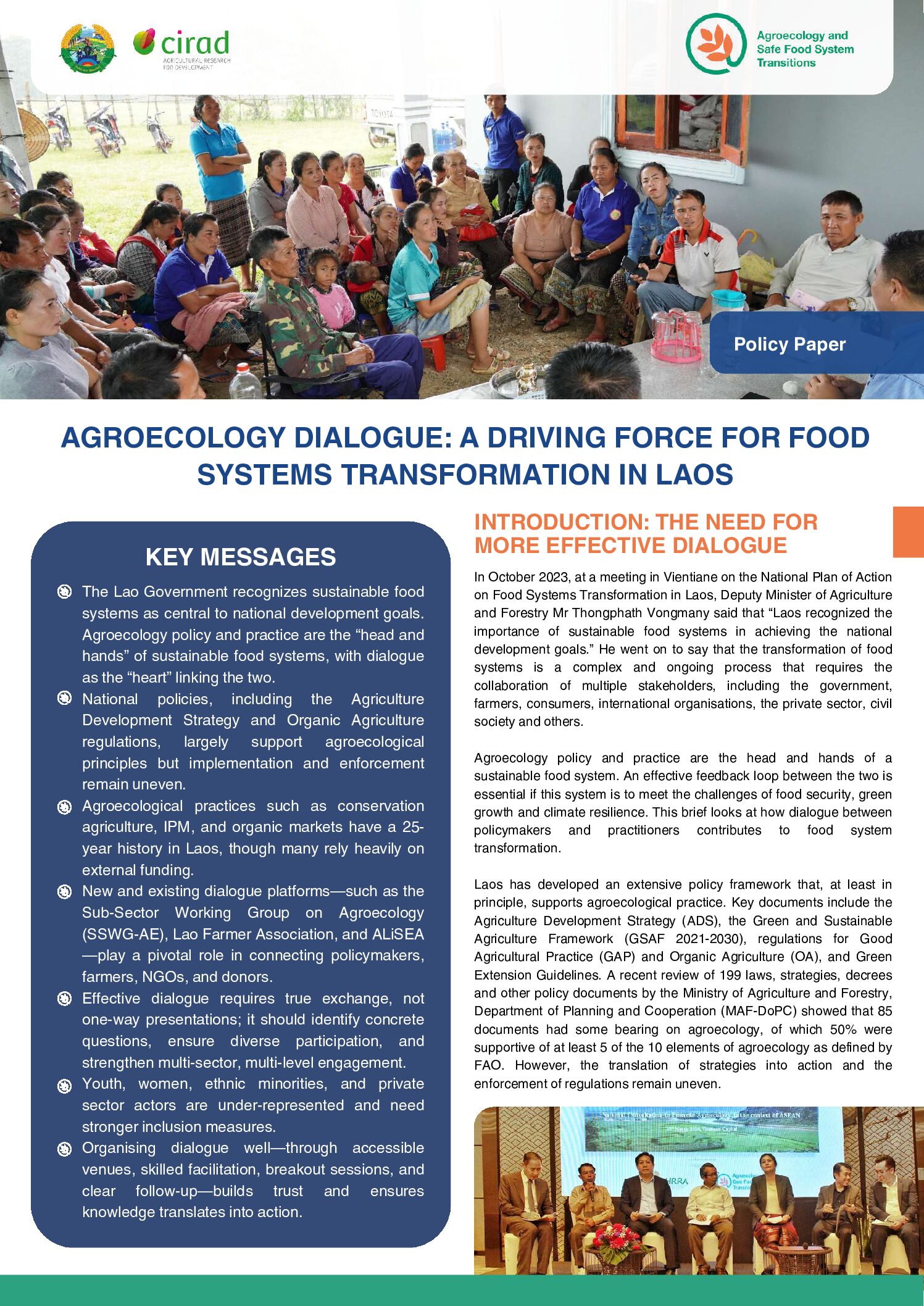
Agroecology Dialogue: A Driving Force for Food Systems Transformation in Laos
– The Lao Government recognizes sustainable food systems as central to national development goals. Agroecology policy and practice are the “head and hands” of sustainable food systems, with dialogue as the “heart” linking the two. – National policies, including the Agriculture Development Strategy and Organic Agriculture regulations, largely support agroecological principles but implementation and enforcement remain uneven. – Agroecological practices such as conservation agriculture, IPM, and organic markets have a 25- year history in Laos, though many rely heavily on external funding. New and existing dialogue platforms—such as the Sub-Sector Working Group on Agroecology (SSWG-AE), Lao Farmer Association, and ALiSEA —play a pivotal role in connecting policymakers, farmers, NGOs, and donors. – Effective dialogue requires true exchange, not one-way presentations; it should identify concrete questions, ensure diverse participation, and strengthen multi-sector, multi-level engagement. Youth, women, ethnic minorities, and private sector actors are under-represented and need stronger inclusion measures. – Organising dialogue well—through accessible venues, skilled facilitation, breakout sessions, and clear follow-up—builds trust and ensures knowledge translates into action.

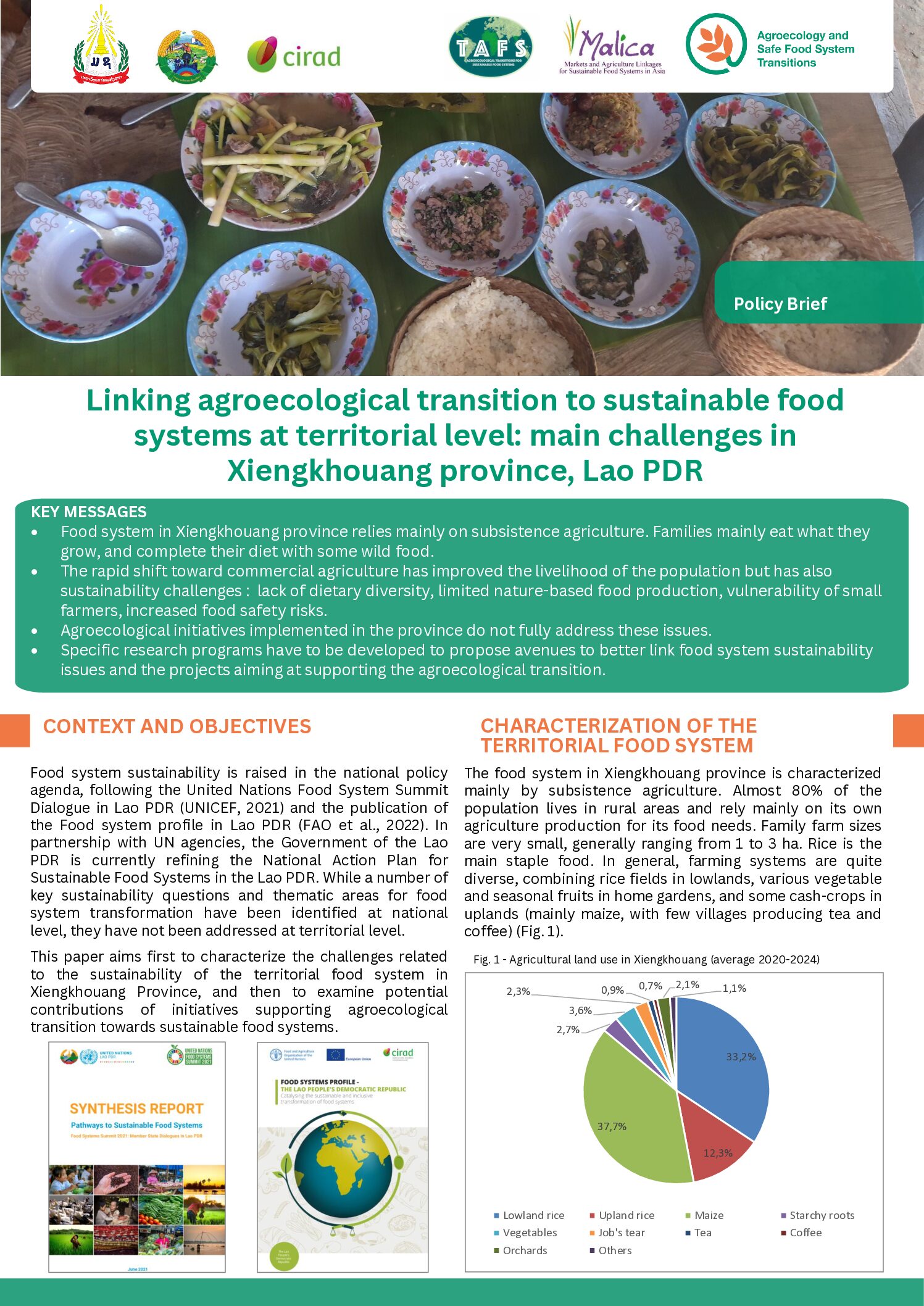
Linking Agroecological Transition to Sustainable Food Systems at Territorial Level: Main Challenges in Xiengkhouang Province, Lao PDR
– Food system in Xiengkhouang province relies mainly on subsistence agriculture. Families mainly eat what they grow, and complete their diet with some wild food. – The rapid shift toward commercial agriculture has improved the livelihood of the population but has also sustainability challenges : lack of dietary diversity, limited nature-based food production, vulnerability of small farmers, increased food safety risks. – Agroecological initiatives implemented in the province do not fully address these issues. – Specific research programs have to be developed to propose avenues to better link food system sustainability issues and the projects aiming at supporting the agroecological transition.
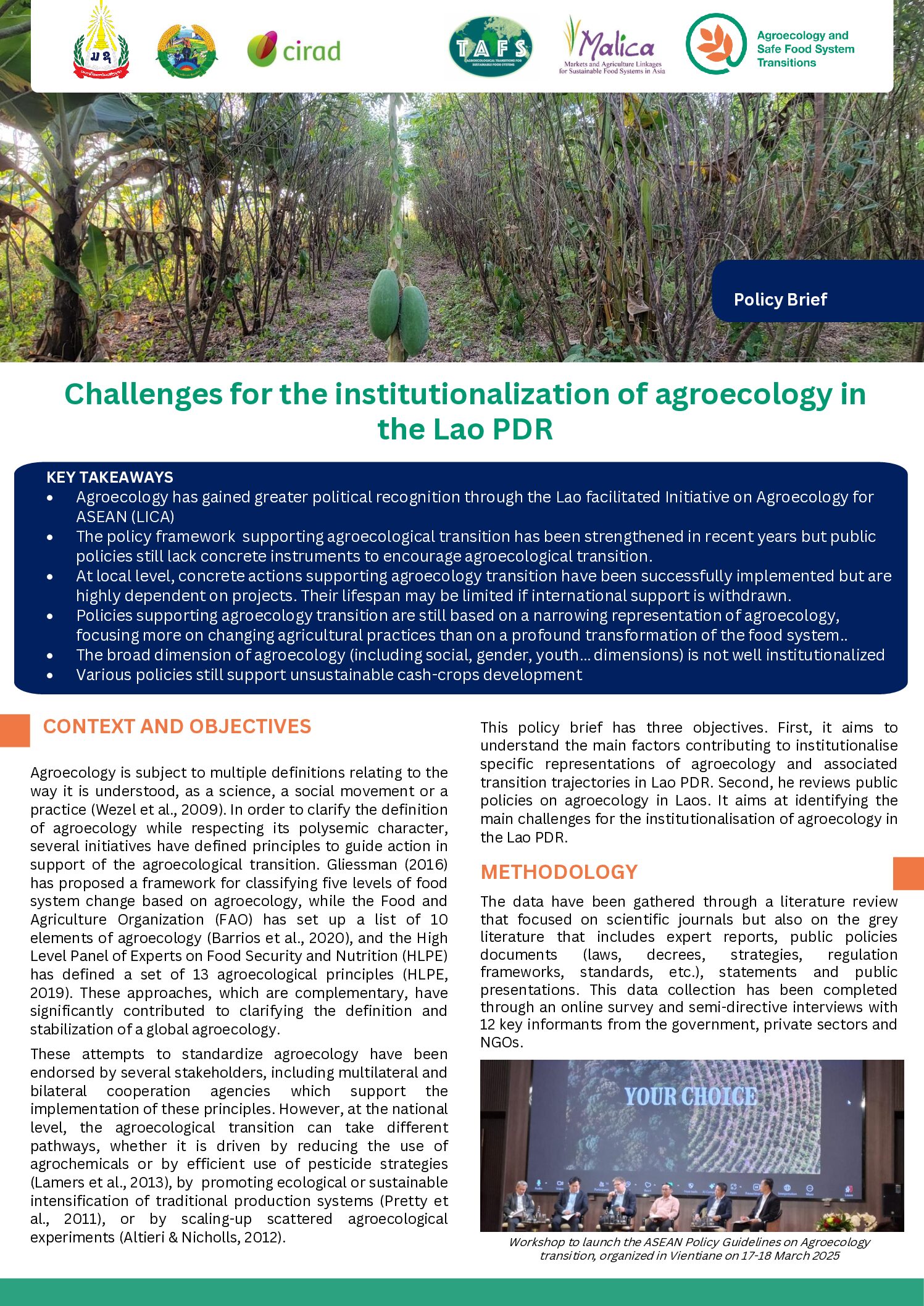
Challenges for the Institutionalization of Agroecology in the Lao PDR
-Agroecology has gained greater political recognition through the Lao facilitated Initiative on Agroecology for ASEAN (LICA) -The policy framework supporting agroecological transition has been strengthened in recent years but public policies still lack concrete instruments to encourage agroecological transition. -At local level, concrete actions supporting agroecology transition have been successfully implemented but are highly dependent on projects. Their lifespan may be limited if international support is withdrawn. -Policies supporting agroecology transition are still based on a narrowing representation of agroecology, focusing more on changing agricultural practices than on a profound transformation of the food system. -The broad dimension of agroecology (including social, gender, youth… dimensions) is not well institutionalized -Various policies still support unsustainable cash-crops development
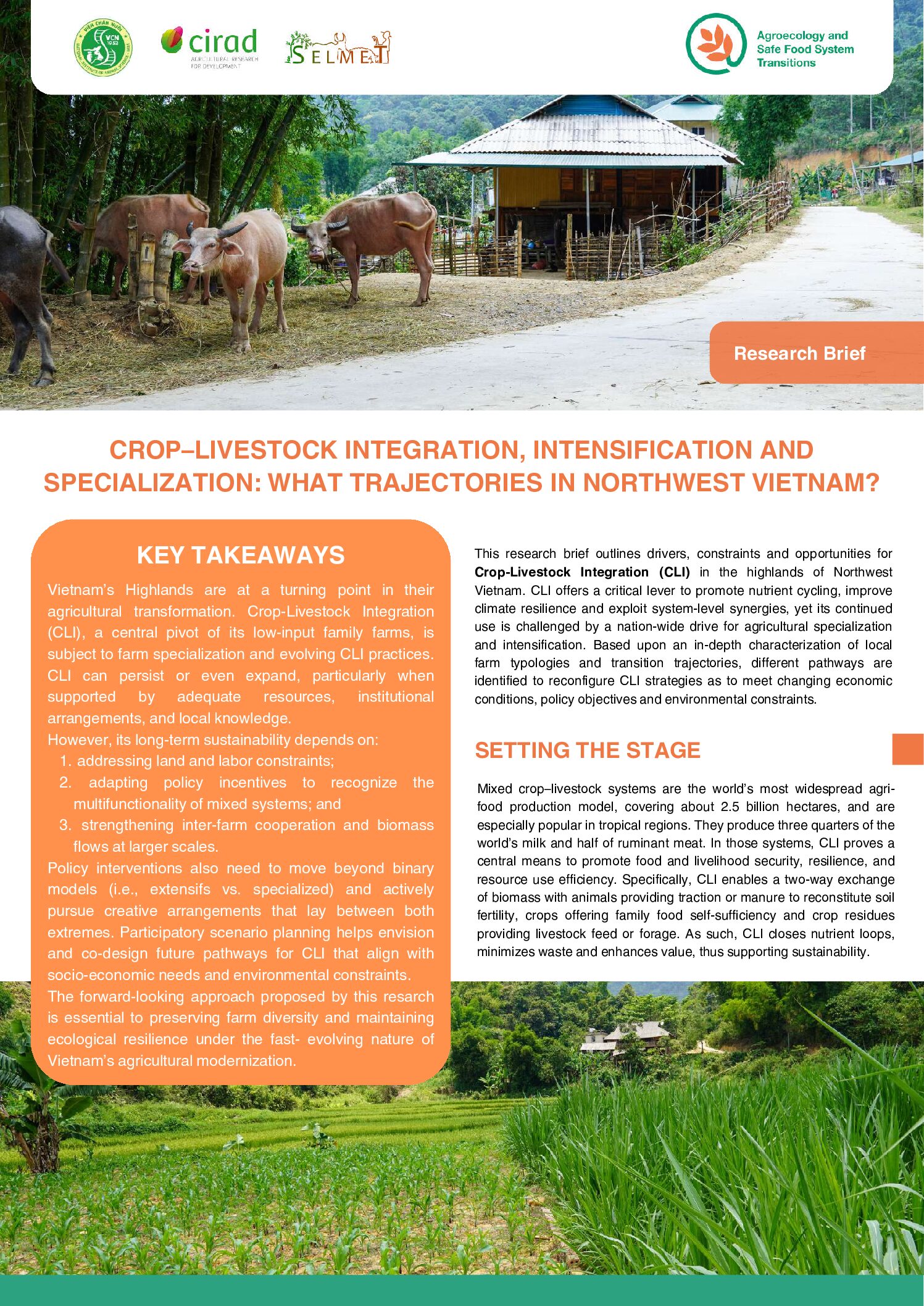
Crop–livestock Integration, Intensification and Specialization: What Trajectories in Northwest Vietnam?
Vietnam’s Highlands are at a turning point in their agricultural transformation. Crop-Livestock Integration (CLI), a central pivot of its low-input family farms, is subject to farm specialization and evolving CLI practices. CLI can persist or even expand, particularly when supported by adequate resources, institutional arrangements, and local knowledge. However, its long-term sustainability depends on: 1. addressing land and labor constraints; 2. adapting policy incentives to recognize the multifunctionality of mixed systems; and 3. strengthening inter-farm cooperation and biomass flows at larger scales. Policy interventions also need to move beyond binary models (i.e., extensifs vs. specialized) and actively pursue creative arrangements that lay between both extremes. Participatory scenario planning helps envision and co-design future pathways for CLI that align with socio-economic needs and environmental constraints. The forward-looking approach proposed by this resarch is essential to preserving farm diversity and maintaining ecological resilience under the fast- evolving nature of Vietnam’s agricultural modernization.
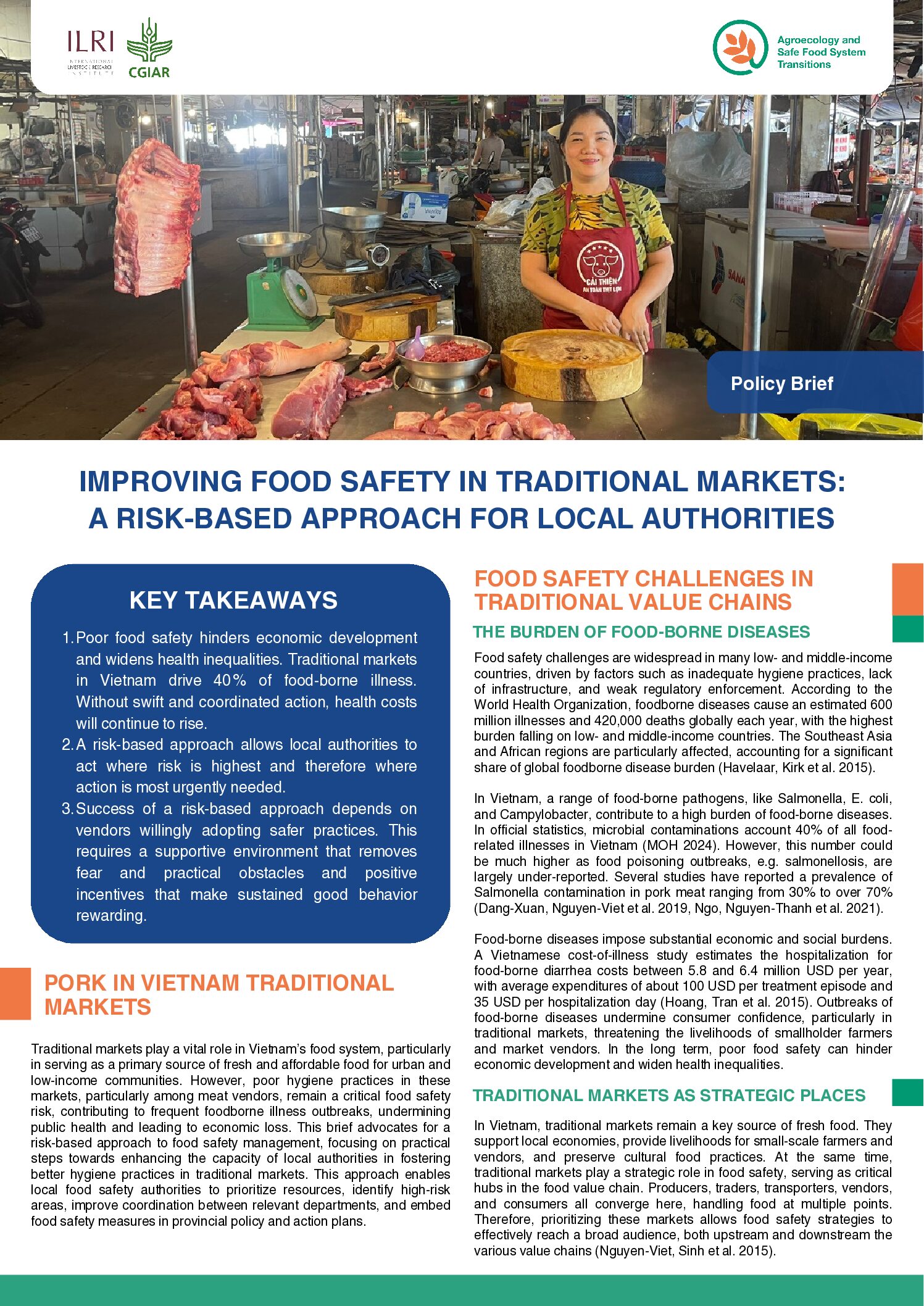
Improving Food Safety in Traditional Markets: a Risk-based Approach for Local Authorities
Poor food safety hinders economic development and widens health inequalities. Traditional markets in Vietnam drive 40% of food‑borne illness. Without swift and coordinated action, health costs will continue to rise. A risk-based approach allows local authorities to act where risk is highest and therefore where action is most urgently needed. Success of a risk-based approach depends on vendors willingly adopting safer practices. This requires a supportive environment that removes fear and practical obstacles and positive incentives that make sustained good behavior rewarding.
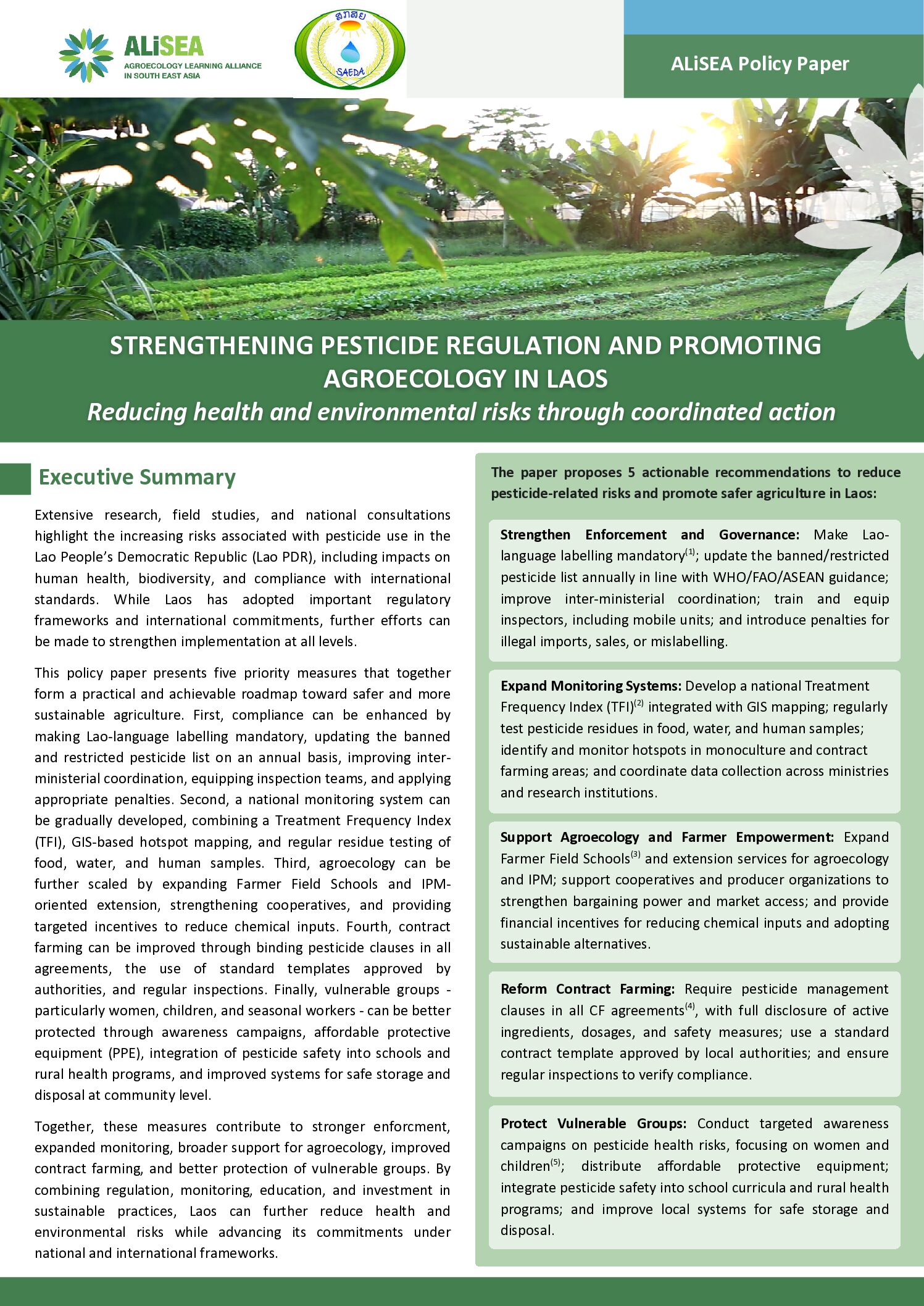
Strengthening Pesticide Regulation and Promoting Agroecology in Laos
The Policy Paper on Pesticides in Laos, developed by ALiSEA and SAEDA, presents five priority actions to reduce health and environmental risks from pesticide use while promoting agroecology. It calls for stronger enforcement of pesticide regulations, national monitoring systems, support for farmer-led agroecological practices, safer contract farming, and better protection for vulnerable groups. The paper provides a practical roadmap for a transition toward safer and more sustainable agriculture in Laos, aligned with national and international commitments.
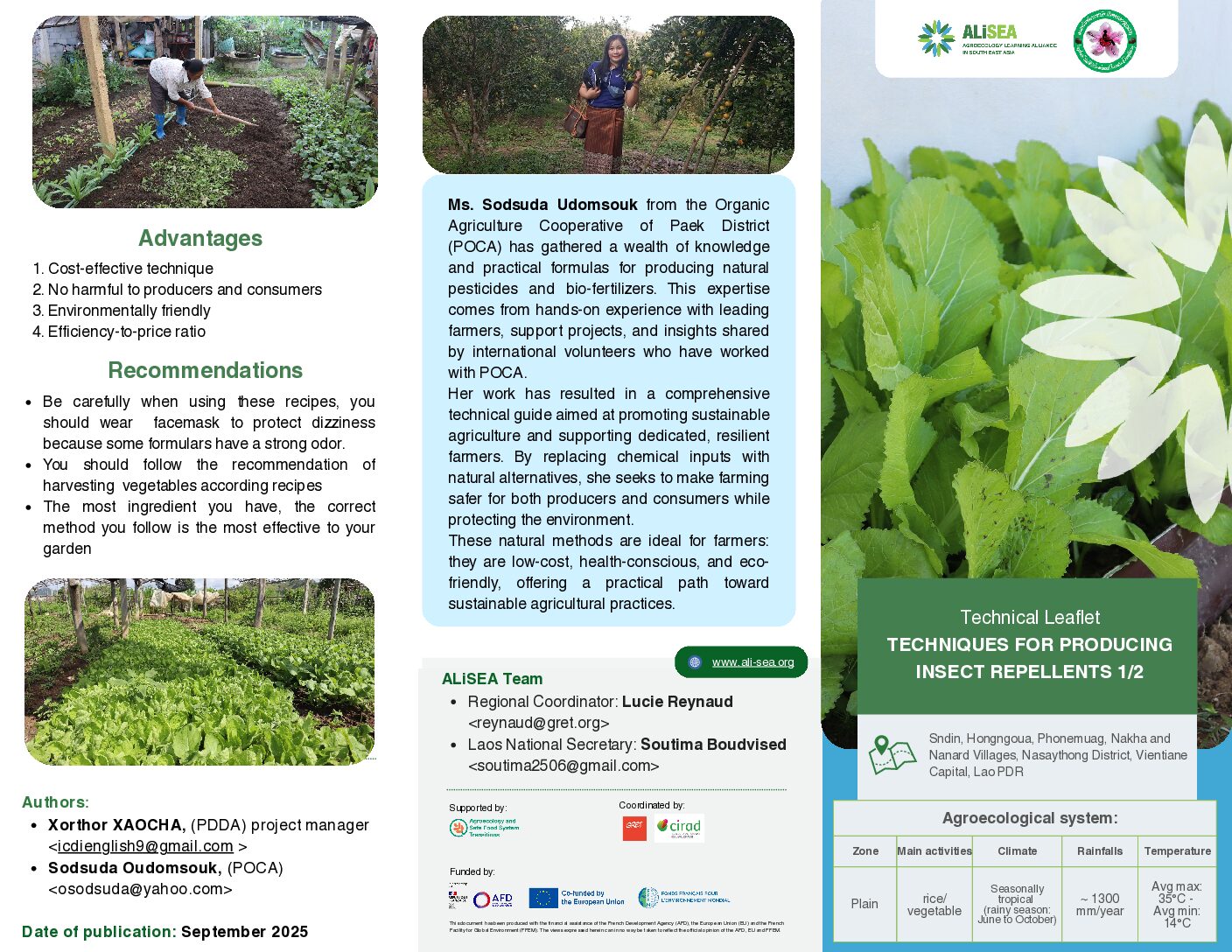
Techniques for Producing Insect Repellents
This leaflet explains simple techniques for producing natural insect repellents from local plants and household ingredients. It provides several herbal formulas, preparation steps, and application methods for different types of pests. The guide promotes safe, low-cost, and eco-friendly alternatives to chemical pesticides for sustainable farming.
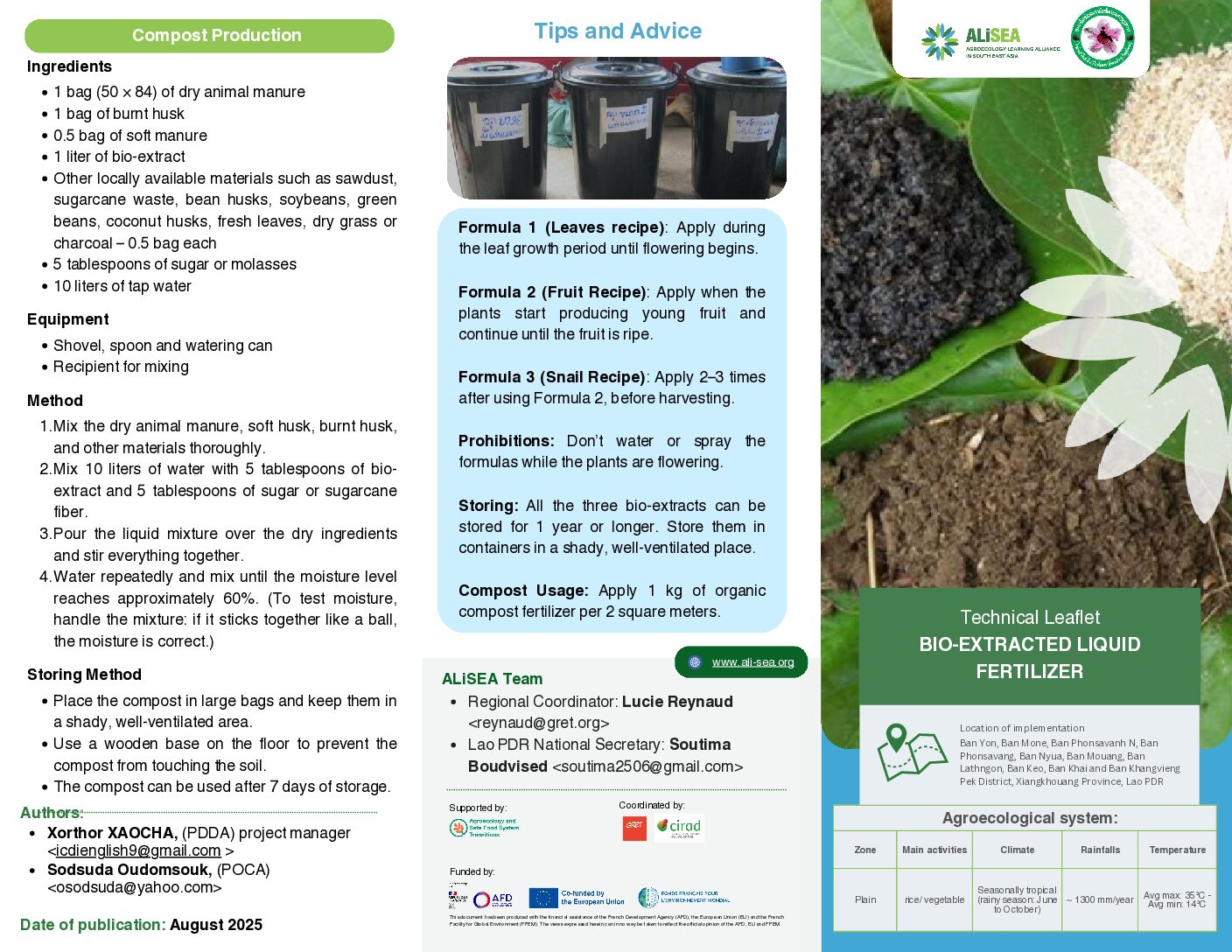
Bio-extracted Liquid Fertilizer
This leaflet provides simple instructions for producing and using bio-extracted liquid fertilizers made from leaves, fruits, and snails, as well as organic compost. It explains the ingredients, preparation steps, fermentation time, storage, and application for different crop growth stages to promote eco-friendly and chemical-free farming practices.

Semi-intensive Local Pig Raising System
This technical leaflet provides practical guidelines and practices for establishing and managing a semi-intensive local pig raising system. It covers aspects such as housing setup, paddock fencing, feeding strategies, and crop production to support pig nutrition. Emphasizing agroecological principles, this guide promotes environmentally friendly practices that maintain soil health, biodiversity, and resource efficiency. Designed for small to medium-scale farmers, the leaflet aims to optimize animal welfare, improve feed efficiency, and enhance farm productivity through cost effective and well-planned methods.
Sustainable Coffee Production Models in Son La, Vietnam
This video series showcases two sustainable models in the coffee value chain in Son La, developed by the Northwest Agriculture and Forestry Research & Development Center (NOMAFSI) with support from ALiSEA. The models include a microbial wastewater treatment system that reduces pollution, saves costs, and enables water reuse for agriculture, and a coffee husk composting model that turns by-products into organic fertilizer to improve soil health and reduce input expenses. Together, they promote a greener, cleaner, and more sustainable coffee sector in Son La.